GFCI Outlet Keeps Tripping? 6 Common Causes in Orlando Homes
You press reset, the outlet clicks, and a minute later it trips again. That cycle is frustrating, especially when it shuts down your bathroom routine or garage tools. In Orlando homes, this usually is not random. Heat, humidity, storm moisture, and older devices all play a role. The good news is that GFCI outlets with TEST and RESET buttons are designed to warn you early. The challenge is finding why they are warning you.
This article stays focused on GFCI receptacles only. No panel detours, no generic outlet advice. You will get practical causes, clear symptoms, and safe next steps so you can decide when the issue is manageable and when it needs licensed hands.
First check: make sure it is a true GFCI outlet
A GFCI outlet has two buttons labeled TEST and RESET. If your outlet has no buttons, this article is not the right path. Standard outlets fail in different ways and need a different checklist. Many Orlando bathrooms, garages, patios, and kitchen counters have one GFCI protecting several outlets downstream. That means the outlet that trips may be protecting another location where the real fault sits.
Before you replace anything, press TEST and RESET once. Then check which nearby outlets lose power together. This simple map often exposes a downstream problem and saves you from changing the wrong device.
Cause 1: Moisture intrusion around exterior or garage boxes
Florida moisture is the most common trigger. Rain can pass damaged weather covers. Afternoon condensation can collect in garages. Bathroom humidity can build when ventilation is weak. Any of these can create leakage current that a GFCI correctly detects.
Common signs:
- Trips increase during rainy weeks.
- Reset holds during dry hours but fails overnight.
- You see corrosion or dampness near the faceplate.
Safety point: if there is visible water staining, corrosion, or cracking, stop repeated resets. Moisture-related faults can escalate quickly from nuisance trips to shock risk.
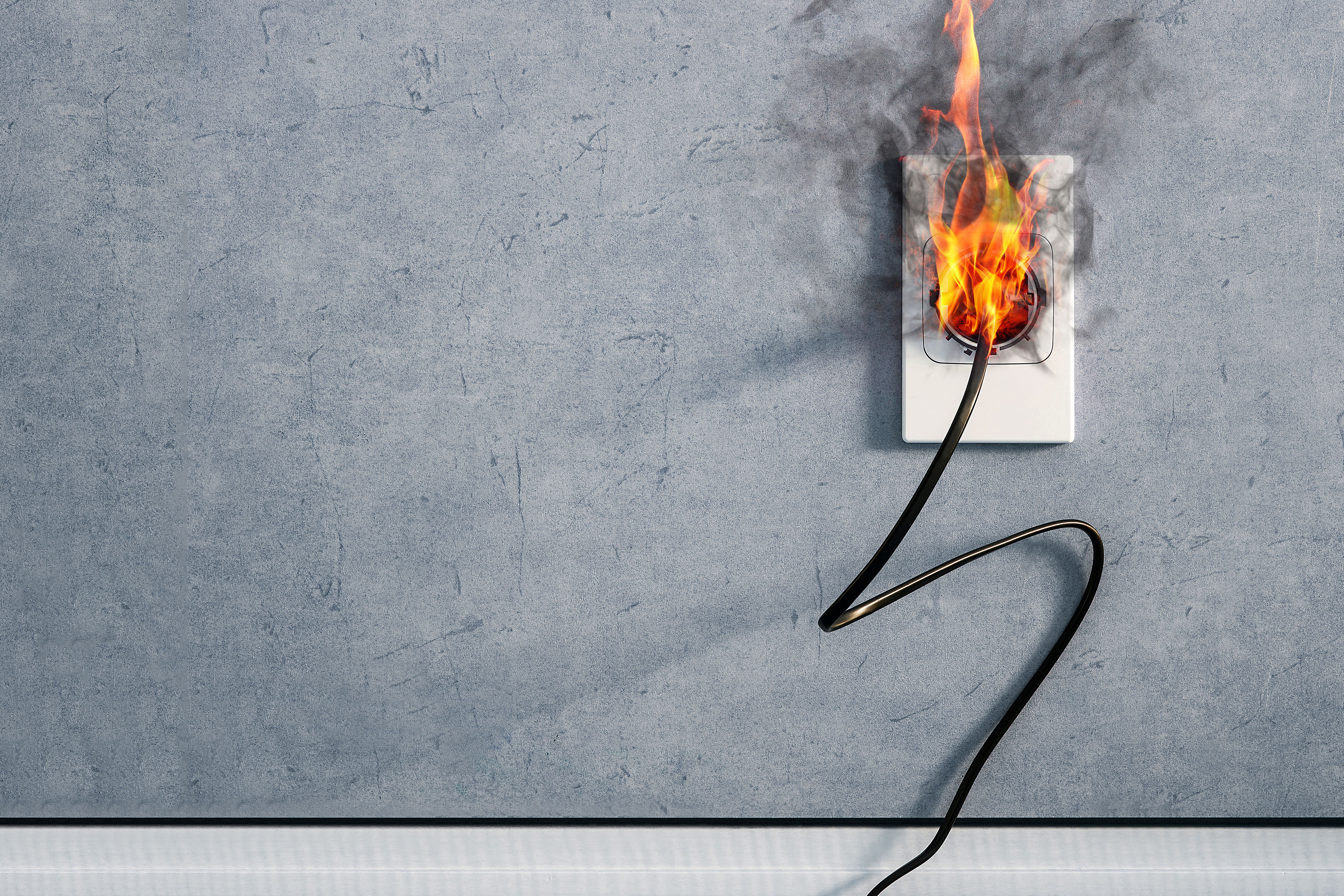
Cause 2: Appliance leakage that appears only under load
Some devices pass a quick plug-in test, then trip a GFCI only after heating or motor startup. Hair dryers, mini fridges, pressure washers, and old power tools are typical examples. The outlet seems fine with nothing connected, but trips as soon as one specific appliance starts pulling current.
A safe test is simple: unplug everything, reset once, and connect one device at a time. If one item repeatedly causes the trip, the problem may be in that appliance cord, motor, or heating element, not in the outlet wiring.
Cause 3: Line and load wires reversed after a swap
GFCI devices are more sensitive to wiring position than standard receptacles. If line and load are mixed during replacement, the outlet may behave unpredictably, fail to protect downstream points, or trip even with light use. Orlando homes that have seen multiple DIY updates often show this exact issue.
If tripping started shortly after an outlet change, suspect wiring order before blaming the new device. A properly wired replacement should reset consistently and protect the entire branch as intended.
Cause 4: Downstream outlet damage on the same protected run
One damaged outlet farther down the branch can trip the first GFCI even when the GFCI itself looks clean. This is common with patio receptacles, vanity outlets, and garage wall outlets where plugs are inserted and removed often.
Look for:
- loose plug grip,
- faceplate discoloration,
- cracked outlet body,
- heat marks around a plug slot.
If the pattern is "it trips only when I use this one location," you likely have a downstream fault and not a random GFCI failure.
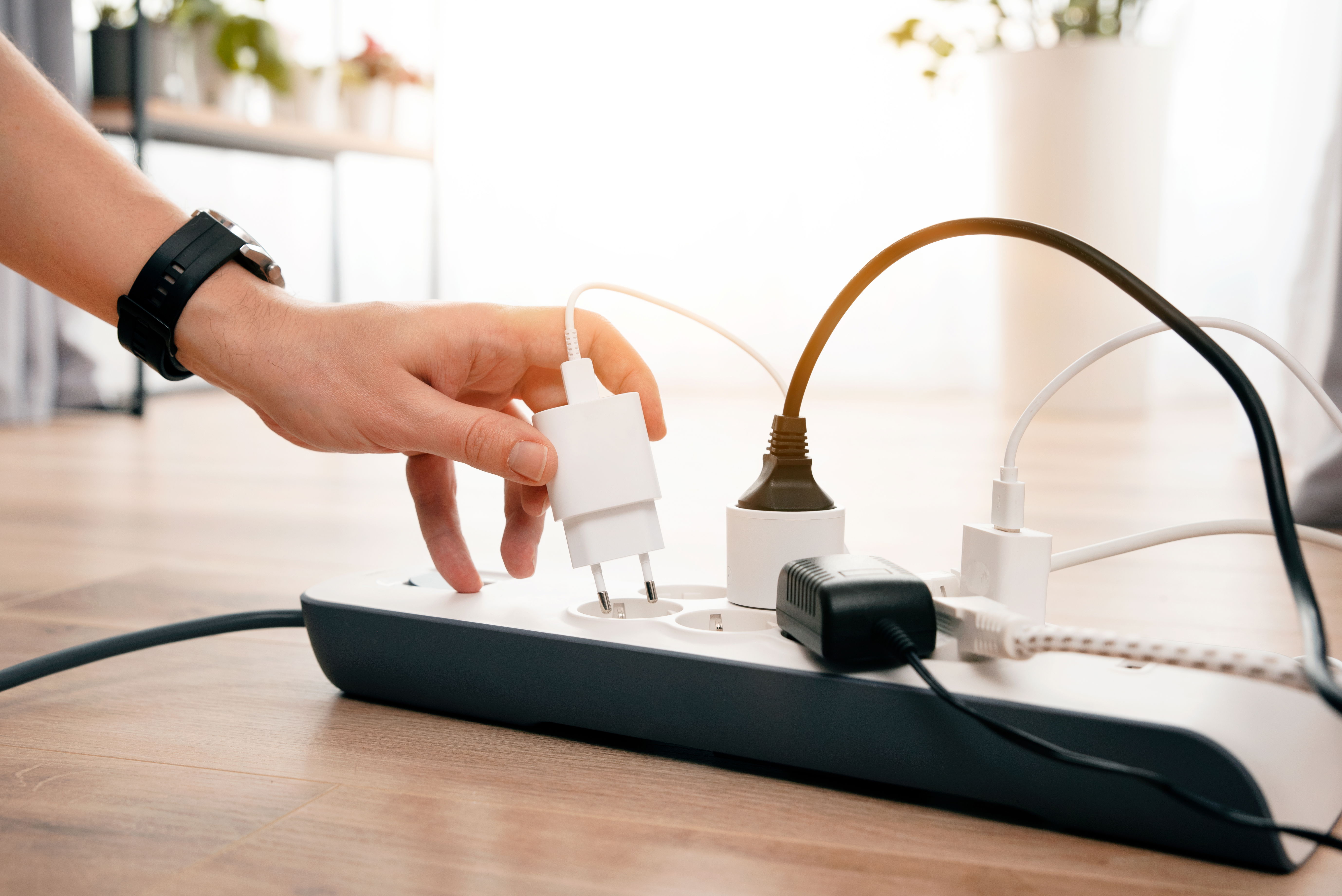
Cause 5: Aging internal mechanism in hot, humid conditions
GFCI outlets do not last forever. Internal sensing parts wear over time, especially in locations exposed to heat and humidity. In Orlando, garages and covered exterior spaces can shorten service life.
Aging-device clues include a soft RESET button feel, inconsistent reset behavior, or a trip with no connected load after you have already ruled out downstream devices. Replacement can be appropriate, but only after a quick branch check so you do not install a new outlet into the same unresolved fault path.
Cause 6: Loose terminal or pigtail connection behind the outlet
Loose terminations create intermittent faults and heat. You might notice random tripping, flicker on a connected lamp, or warmth at the receptacle face. That warmth is a safety signal, not a comfort issue.
Because loose connections hide behind the plate, outside appearance can be misleading. If the device feels warm, smells hot, or buzzes, stop using it and move directly to licensed diagnosis.
Safe checks homeowners can do without opening the box
- Unplug all loads and test reset behavior for 10 to 15 minutes.
- Reconnect devices one at a time to isolate load-related trips.
- Inspect covers and gaskets at exterior locations.
- Track trip timing against rain and humidity patterns.
- Note which outlets lose power together for better diagnosis.
These checks are safe because they avoid opening energized boxes. If trips continue with no load, the issue is beyond basic homeowner testing.

When to call a licensed electrician in Orlando
Call immediately if the outlet will not reset, trips instantly with no load, feels warm, makes noise, or shows burn marks. Schedule soon if trips are frequent but not urgent, especially after storms or during high humidity periods. Share your trip pattern notes, weather timing, and appliance test results. That information helps a licensed electrician isolate the fault quickly and avoid unnecessary part swaps.
Final takeaway for recurring reset-button trips
When a GFCI outlet keeps tripping, it is usually pointing to a real problem: moisture, appliance leakage, wiring errors, downstream damage, aging hardware, or loose terminations. Staying focused on the GFCI path gives faster answers and safer outcomes. Use low-risk checks, avoid guesswork rewiring, and escalate early when heat, water, or repeated no-load trips appear.
Quick GFCI homeowner questions
Why does the outlet trip more during Orlando storm season?
Moisture paths become more active when rain and humidity rise. Even small water entry around covers or boxes can trigger repeated GFCI trips.
Can I keep resetting it until it finally stays on?
Repeated resetting without diagnosis is risky. If it trips repeatedly, the device is sensing a fault that should be identified, not ignored.
Should I replace the outlet first or test appliances first?
Test loads first, then map downstream outlets, then evaluate the device. Replacing first can hide the true cause and waste time.

