How to Tell If Your Smoke Detector Needs to Be Replaced
If a detector starts chirping at 2 AM, most homeowners grab a new battery and hope the noise stops. Sometimes that works. Sometimes it doesn't, because the unit itself is at its end of life. In Orlando homes, humidity and attic heat can accelerate sensor wear, so replacement timing matters more than most people realize.
A chirping detector doesn't always mean the battery is dead. It could be telling you the entire unit needs to go. This guide helps you decide whether you need a battery, a full smoke detector replacement, or licensed electrical help for hardwired alarm issues.
Understand the Beep Before You Buy
Not every beep means the same thing. The pattern gives you your first clue, and reading it correctly can save you time and money.
Single chirp at regular intervals
This is often battery related, but it can also indicate an end-of-life warning depending on the model. Check your manual or the manufacturer's website to confirm what the chirp interval means for your specific unit.
Full alarm pattern without visible smoke
A chirping detector that escalates into a full alarm cycle with no smoke present could be reacting to dust, steam, insects, or sensor contamination. Kitchens and bathrooms are the most common culprits, especially in open-concept Orlando homes where cooking aerosols travel freely.
Voice alert naming a room
Some interconnected alarms use voice announcements to identify which unit triggered. If your system names a specific room, that helps you pinpoint the problem unit rather than testing every detector in the house.
Reading the sound pattern correctly prevents unnecessary replacements and helps you focus your effort where it actually matters.
Check the Date Stamp, Not Just the Battery
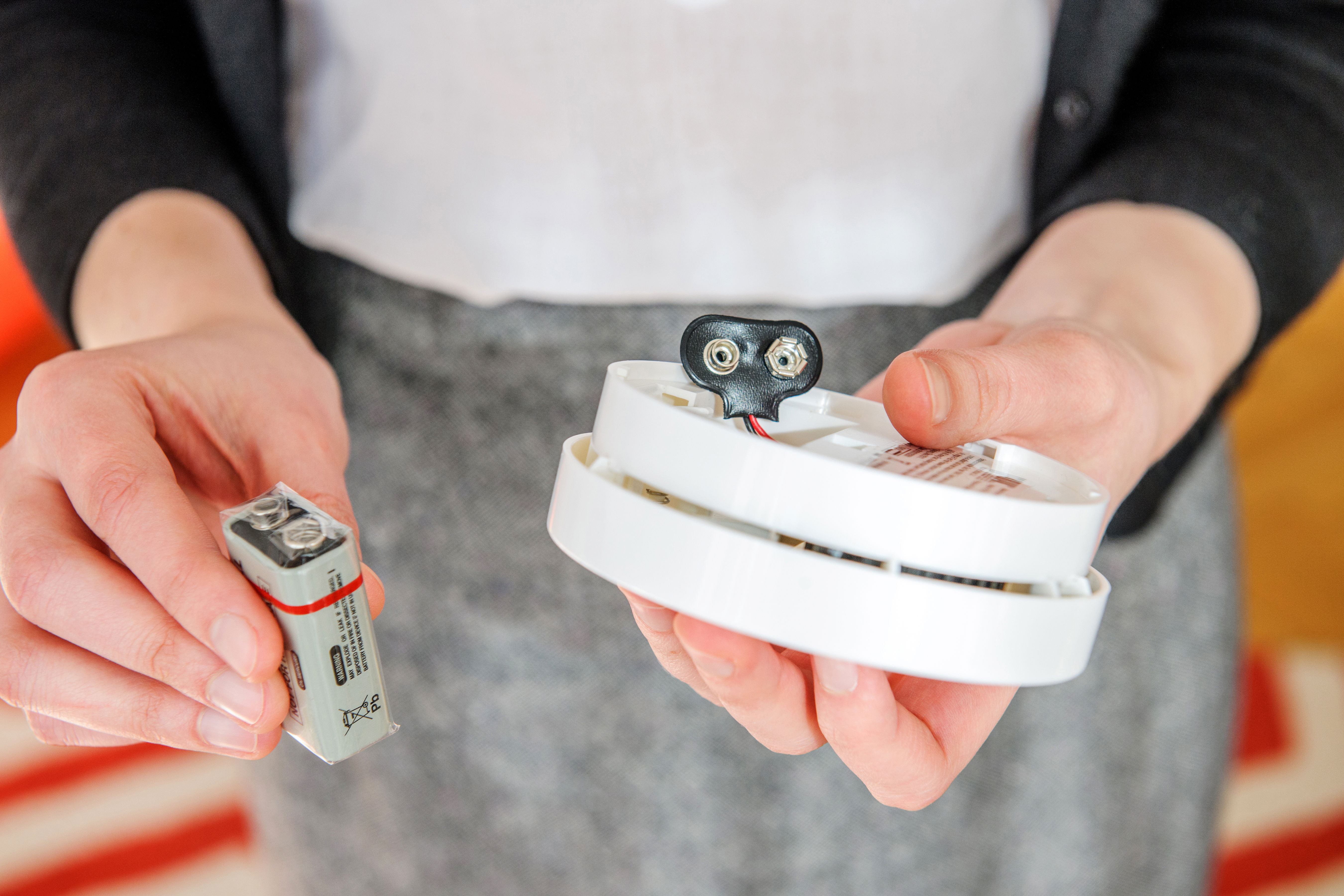
Every smoke detector has a manufacture date printed on the back of the unit. Most are designed for roughly ten years of service. A fresh battery does not reset sensor aging - the internal components degrade over time regardless of power source.
If your unit is near or past the manufacturer's stated lifespan, smoke detector replacement is usually the right call even if the device still seems to work intermittently. A detector that only responds some of the time is not a detector you should trust with your family's safety.
In older Orlando homes, mixed detector ages are common after partial remodels. If one unit reaches end of life, take the time to evaluate the rest of the set so your coverage stays consistent across the house.
Orlando Conditions That Shorten Detector Reliability
Central Florida's climate is not kind to smoke detectors. High humidity, attic temperature swings, and airborne dust can all degrade sensor performance faster than the manufacturer timeline suggests. Homes with kitchens open to living areas also expose alarms to cooking aerosols that gradually contaminate sensing chambers.
Signs that humidity may be affecting your detectors:
- Random false alarms during muggy nights
- Repeated chirps shortly after battery changes
- Improved behavior when indoor humidity drops
Climate stress doesn't always mean immediate failure, but it should factor into when and where you replace units. If you're dealing with a chirping detector every time the weather shifts, the environment - not just the battery - may be the issue.
Signs a Hardwired Alarm Is Failing
A hardwired alarm should be one of the more stable components in your home. It runs on house power with a backup battery, so consistent chirping or erratic behavior is a red flag worth investigating.
Common symptoms of a failing hardwired alarm include:
- Intermittent or flickering indicator lights
- One unit triggering others unpredictably through the interconnect
- Recurring faults even after fresh battery replacement
- Failure to respond during manual test cycles
When interconnected alarms start behaving inconsistently, the problem may not be the detector itself. Wiring issues, loose base connections, or circuit faults can mimic detector failure. These symptoms justify bringing in a licensed electrician, especially when multiple alarms interact across zones.
Placement Issues That Imitate Detector Failure
Before you commit to replacing multiple units, consider whether placement is the real problem. A detector mounted too close to a bathroom door, HVAC supply vent, or cooking zone can false-trigger repeatedly - and homeowners often blame the unit when simply moving it is the actual fix.
Common placement trouble spots
- Directly outside steamy bathrooms
- Near kitchen grease and vapor paths
- Close to strong HVAC supply airflow
- In garages or unconditioned spaces with extreme temperature swings
Correcting placement can eliminate nuisance behavior and extend the useful life of a perfectly functional detector.
Safe Replacement Workflow for Homeowners
If you've determined that smoke detector replacement is needed, follow these steps to handle it safely:
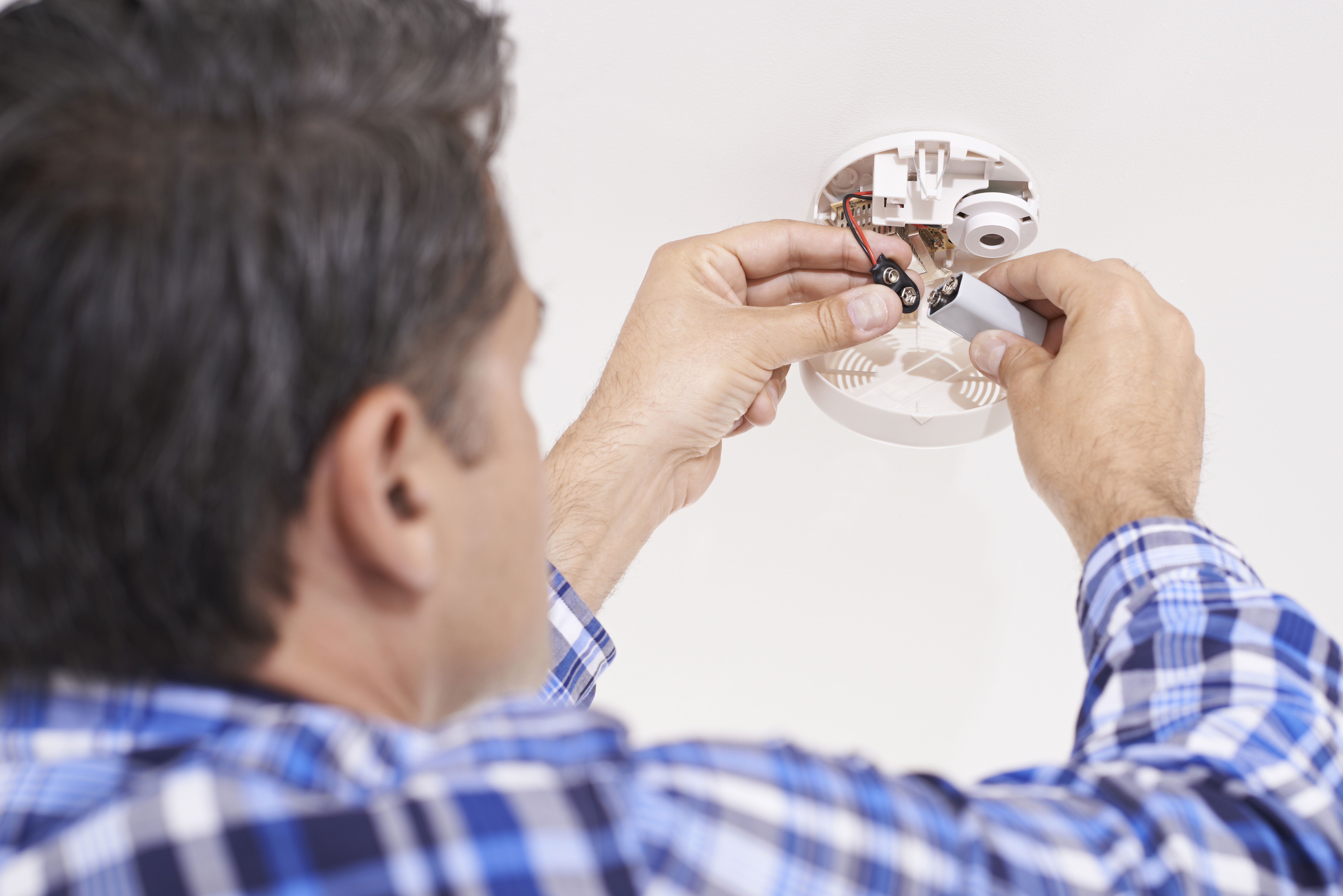
- Confirm the model type and check interconnect compatibility with your existing system.
- Shut off power to hardwired circuits before touching any ceiling bases.
- Replace backup batteries where applicable.
- Test each unit individually and verify interconnected alarms respond together.
- Label the replacement date on the new unit for future tracking.
If any step involves uncertain wiring, unstable system behavior, or unfamiliar connections, stop and call a licensed electrician. Guessing with hardwired alarm circuits is not worth the risk.
When Hardwired Detector Issues Need an Electrician
Call for licensed help if your alarms remain unstable after installing both new batteries and replacement units. Also call if interconnected alarms behave inconsistently, if you notice damaged or degraded wiring at the ceiling box, or if detectors fail coordinated testing across multiple rooms.
A smoke detector is a safety device, not a convenience item. Leaving uncertain wiring behind a partial fix isn't a safe outcome for anyone in the home.
Replacement Decision Wrap-Up
Smoke detector replacement decisions should be based on sound pattern, unit age, local environment, and wiring behavior. In Orlando homes, climate stress can accelerate wear on both standalone and interconnected alarms, so preventive replacement and correct placement are worth the effort.
When a chirping detector won't quit, when a hardwired alarm acts unpredictably, or when your units are simply past their expiration date - don't second-guess the signs. Replace what needs replacing, and call a licensed electrician when the job goes beyond a simple swap.
Smoke Alarm Replacement Questions
How often should smoke detectors be replaced?
Most units are designed for about ten years, but always follow the manufacture date and guidance printed on the device. Don't assume a working alarm is a reliable one if it's past that window.
Why does chirping continue after a battery change?
Possible reasons include an end-of-life warning, poor battery contact, humidity impact, or hardwired connection issues. If the chirping detector won't stop after a fresh battery, the unit itself likely needs to go.
Do all alarms need replacement at the same time?
Not necessarily, but grouped replacement can improve consistency, especially when several interconnected alarms are near the same age. It also makes future tracking simpler.
What's the difference between ionization and photoelectric detectors?
Ionization detectors respond faster to flaming fires, while photoelectric units are quicker to detect slow, smoldering smoke. Many safety experts recommend having both types - or dual-sensor units - for the most complete coverage in your home.

