How Does a House Generator Work During a Power Outage?
When the lights go out, most homeowners only have one question: will backup power start or not? Behind that moment is a carefully designed backup power sequence - a series of electrical events that must happen in the correct order. Understanding that sequence makes outages less stressful and helps you spot unsafe behavior quickly.
This article is educational, not a sales pitch. It explains what your generator system is doing, what it is not doing, and when professional help is necessary.
The first few seconds after utility power drops
When utility voltage disappears, most systems do not switch your home over instantly. The controls first detect the loss, confirm it is not a brief flicker, and then signal the generator to start up. During this delay period, some circuits remain off.
That short pause is completely normal. It exists to protect the generator and your home's electrical system from unnecessary starts during brief grid disturbances. Without it, your generator would kick on every time the lights blinked during a thunderstorm - burning fuel and adding wear for no reason.
Why transfer equipment matters so much
A generator system needs a transfer mechanism to separate utility power from generator power. This prevents dangerous backfeed into the grid and ensures your home receives electricity from only one source at a time.
Whether the transfer is automatic or manual, the principle is the same: isolate the utility connection first, then energize selected circuits safely. Without proper transfer behavior, running on backup power is unsafe - both for your household and for utility workers restoring power in your area.
Backfeed is one of the most serious risks in residential generator use. It sends electricity back through your meter and into the grid, potentially injuring or killing line workers who assume the wires are dead. A correctly installed transfer switch eliminates this risk entirely.

Startup, stabilization, then circuit pickup
After the start command, the generator reaches operating speed and stabilizes its voltage and frequency. Only then are your home's loads connected. Better systems stage the load pickup gradually so the generator isn't hit with full demand at once.
If startup sounds rough, takes unusually long, or the unit repeatedly stalls under load, that points to a reliability issue worth investigating before the next storm - not during one.
Why some circuits stay off during backup operation
Many homes run only selected loads on generator power. This controlled reduction of demand is sometimes referred to as load shedding - intentionally disconnecting nonessential circuits to keep the generator within safe operating limits. High-demand equipment may be excluded or staged to prevent overload. Homeowners sometimes mistake this for a malfunction when it is actually intentional load prioritization.
Common managed loads include large HVAC components, electric water heaters, cooking equipment, and nonessential receptacle groups. The goal is to keep total demand within the generator's safe operating range at all times.
Knowing which circuits are on your priority list prevents confusion during real outages. If you are unsure which loads your system covers, check with the electrician who installed it or review your transfer panel labeling.
Fuel, runtime, and load management in real use
Generator runtime depends on the fuel source and actual load - not nameplate output alone. Heavy simultaneous loads reduce runtime and increase mechanical wear. Practical outage operation means rotating nonessential loads and keeping startup surges under control.
Natural gas units draw from the utility gas line, so fuel supply is generally continuous unless gas service is also interrupted. Propane and diesel systems rely on stored fuel, which means tank size and consumption rate directly determine how long you can run.
In Orlando's storm season, outages can be frequent and uneven. Systems that run fine in short tests can struggle in prolonged humid conditions with repeated cycling. That is why ongoing reliability checks matter - not just the annual maintenance reminder, but actually running the unit under realistic load before hurricane season arrives.

Safety limits homeowners should never cross
There are hard boundaries every homeowner needs to respect during generator operation:
Never connect a portable generator to home wiring without an approved transfer device. Never run a generator in enclosed or partially enclosed spaces - including garages with the door cracked open. Never ignore unusual smells, smoke, or repeated shutdown alarms. And never assume that because the engine still runs, everything is safe.
These boundaries are critical because generator faults can create both electrical and combustion hazards. Carbon monoxide poisoning from improperly ventilated generators remains one of the leading causes of storm-related deaths in the United States.
Common outage mistakes that cause avoidable problems
Even well-installed systems can underperform if homeowners make avoidable errors during an outage. The most common include turning on too many large loads immediately after transfer, ignoring battery and starter maintenance between storm seasons, skipping periodic operational checks under realistic load, and assuming every circuit should behave the same way it does on utility power.
Most backup frustrations come from mismatched expectations, not mysterious equipment failure. A thirty-minute walkthrough of your system's design and limits can save hours of confusion when the power actually goes out.
When backup power behavior needs licensed service
Call licensed support when transfer behavior is inconsistent, startup is delayed beyond the normal pattern, output appears unstable, or essential circuits fail unpredictably during backup mode. You should also call if alarms repeat or if the unit shuts down under routine load.
Electrical faults during an outage are not something to troubleshoot yourself. The combination of live generator output, potential backfeed paths, and wet conditions during storms creates a high-risk environment that requires trained hands.
Reliable backup power depends on clean transfer and steady output - not just whether the engine turns over.
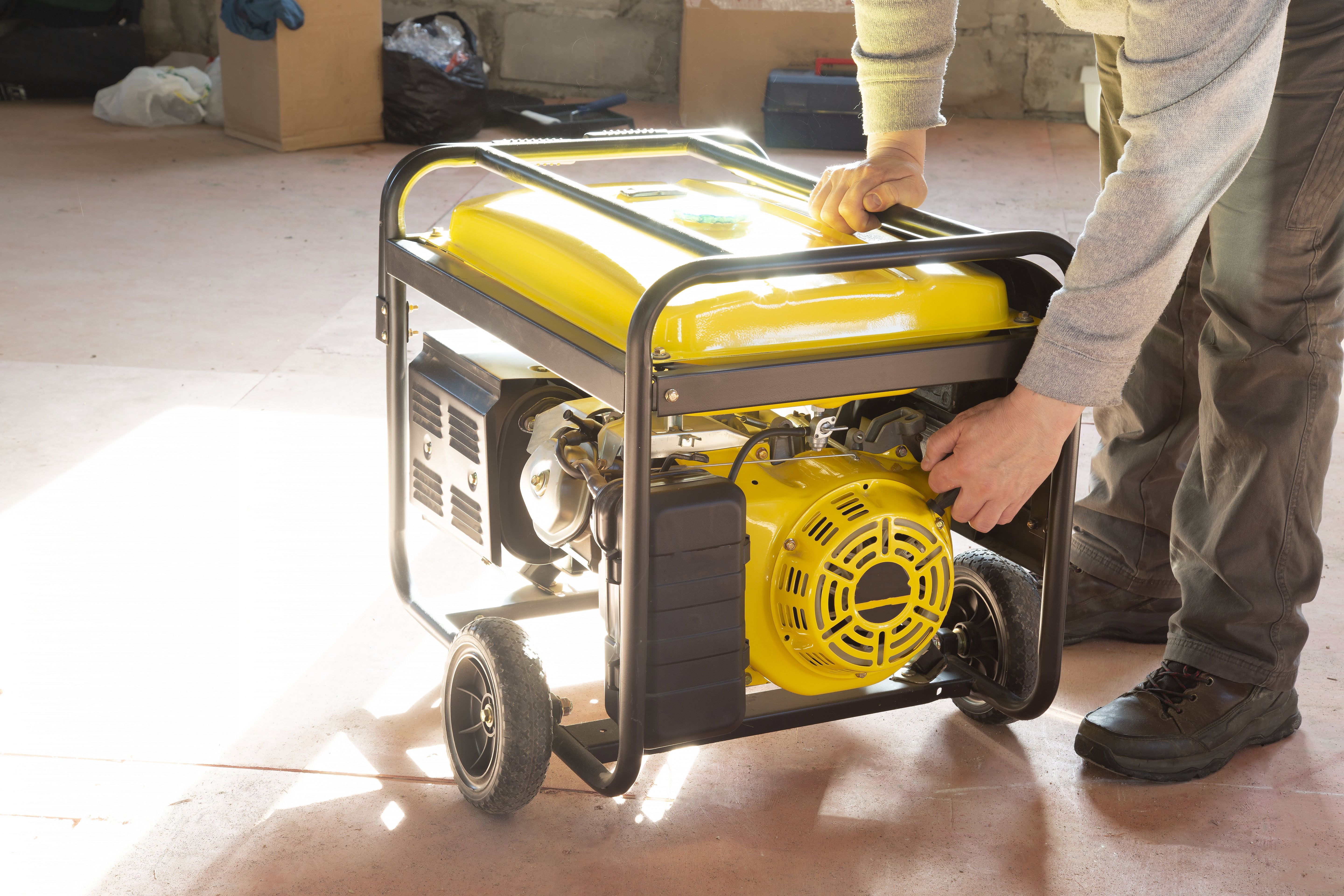
Backup power takeaway for homeowners
If you understand the sequence - detect the outage, isolate the utility, start the generator, stabilize output, then pick up loads - generator behavior makes a lot more sense, and safety decisions get easier. Use the system within its designed limits, monitor any unusual changes, and get professional help quickly when backup performance is inconsistent.
Generator operation questions
Why is there a delay before power returns?
Most systems verify outage conditions and allow the generator to stabilize before connecting home loads. This delay is normal and protects both the generator and your appliances.
Should every circuit in the house run during backup mode?
Usually no. Many systems prioritize selected circuits to keep the total load within safe generator capacity.
What is the biggest safety mistake during outages?
Any setup that allows backfeed risk or indoor exhaust exposure is extremely dangerous and should never be attempted.

