Why Does My Outlet Keep Tripping? Signs of a Bigger Electrical Problem
You plug in a vacuum or space heater and the same wall outlet keeps dropping power. If this outlet is a standard receptacle without TEST and RESET buttons, the cause is different from a GFCI issue. For standard outlets, recurring power loss usually points to worn connections, a failing receptacle, an overloaded circuit, or damaged wiring further up the line.
If you have been wondering why does the outlet keeps tripping, and there is no reset button in sight, this article is for you. The goal is to help you spot early warning signs before a simple nuisance turns into a costly electrical repair.
Rule One: Confirm You Are Dealing With a Standard Outlet
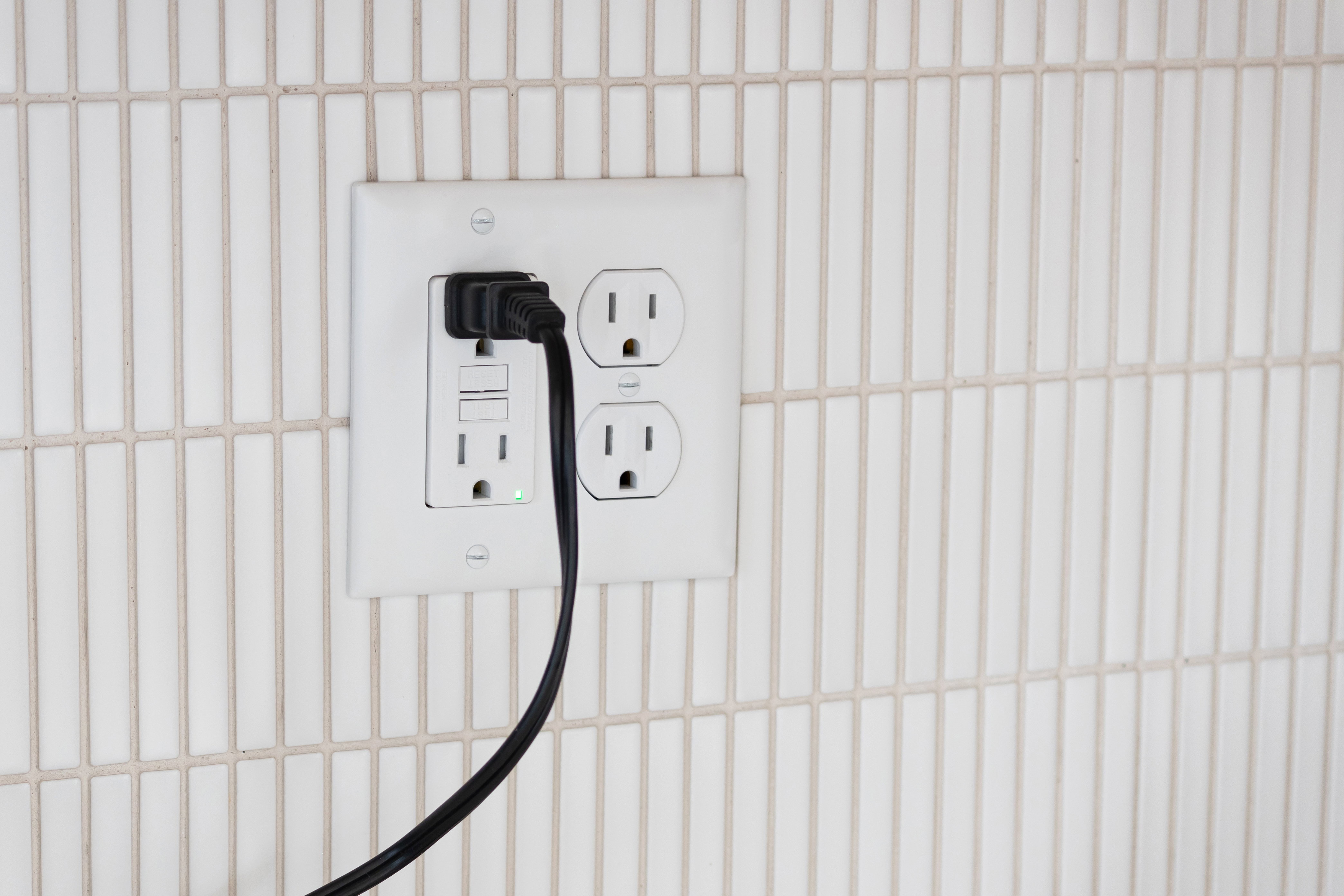
A standard outlet has no reset button. That matters because the troubleshooting process is completely different. Many homeowners assume all trips are the same, but a standard outlet fault usually shows up as heat, loose plug fit, or power that cuts in and out rather than a clean trip-and-reset cycle.
Quick identification avoids applying the wrong fix. If there is no button on the outlet face, you are most likely dealing with a conventional outlet problem, not a GFCI one.
Symptom Clusters That Point to Outlet-Level Trouble
One symptom alone can mislead you. A cluster of symptoms tells a much stronger story. Before calling anyone, take a few minutes to observe what is actually happening.
What to look for:
- Plugs slipping out of the outlet too easily.
- Visible discoloration or scorch marks around one or both slots.
- Small crackling or buzzing sounds when a device is plugged in.
- Power dropping and returning on its own without anyone touching the plug.
- A faint warm or burning smell near the outlet face.
When several of these signs appear together, they suggest the outlet or nearby wire connections are wearing out under everyday use. A loose receptacle or one showing heat damage should not be left in service.
Five Standard Outlet Faults That Often Signal Bigger Trouble
Not every outlet failure is the same. Here are five of the most common issues that go beyond a simple one-time glitch.
1. Worn internal contacts that no longer grip plug blades
Over time, the metal clips inside a receptacle lose their spring. A loose receptacle creates resistance, and resistance creates heat. This is one of the most common reasons an older outlet begins to fail.
2. Push-in wire connections loosening over time
Some outlets use push-in connections on the back rather than screw terminals. After years of heating and cooling cycles, these connections can work loose, causing power to cut in and out unpredictably. This is a frequent source of a standard outlet fault in homes built during the 1980s and 1990s.
3. Heat-damaged receptacle body
If you notice discoloration, warping, or brittleness around the outlet face, the receptacle has already overheated at least once. An overheated outlet is not something to tape over or ignore. The damage weakens the plastic housing and can compromise the wiring behind it.
4. Weak neutral wire connections in older circuits
A deteriorating neutral connection can cause flickering lights, partial power loss, and erratic behavior from outlets that otherwise look fine. This type of fault is tricky because the outlet itself may appear undamaged.
5. Loose or corroded wire connections in an earlier junction box
Sometimes the outlet that appears dead is not actually the problem. A loose wire splice in a junction box earlier in the circuit can cut power to every outlet downstream. If multiple outlets lose power at the same time, this is a strong possibility.
Safety Checks You Can Do Without Opening Walls
You do not need tools or training to run a few basic observations. These steps help you gather useful information before calling a professional.
- Unplug all high-draw devices from the affected outlet.
- Test with a small device you know works, like a lamp or phone charger.
- After a few minutes of use, compare the outlet face temperature with nearby outlets using the back of your hand.
- Note whether the problem follows one specific appliance or happens with multiple devices.
- Check other outlets in the same room for similar behavior.
Stop using any outlet that feels warm to the touch, produces a smell, or shows visible damage. An overheated outlet left in use is a fire risk, not just an inconvenience.
Separate Note: If a Breaker Also Trips
This article focuses on standard outlet behavior. If a breaker also trips, that is a separate issue and should be noted on its own. Pay attention to timing. Does the breaker trip at the same moment the outlet fails, or only when heavy appliances are running?
That distinction helps a licensed electrician tell the difference between a local outlet defect and a broader circuit problem. Keeping your observations organized prevents mixed assumptions and speeds up the diagnosis.
Orlando Context for Standard Outlet Wear
Orlando homes often run portable cooling units, dehumidifiers, and high-use electronics for long stretches, especially during summer. Older receptacles that once handled lighter loads may now be running close to their practical limits day after day.
Heat and humidity alone will not destroy every outlet, but they do accelerate wear on connections that are already marginal. A loose receptacle in a high-humidity room will degrade faster than the same outlet in a dry, climate-controlled space.
If an outlet has seen decades of daily use, replacing it and verifying the wiring behind it is usually more cost-effective than troubleshooting the same failure over and over.
When Outlet Symptoms Require a Licensed Electrician
Call a licensed electrician when any of the following apply:
- The outlet is warm or hot to the touch.
- Plugs fit loosely or fall out on their own.
- There is visible damage, discoloration, or melting on the outlet face.
- Power loss repeats even after you change which device is plugged in.
- Multiple outlets in the same area behave inconsistently.
A proper fix should address both the failed receptacle and the condition of the wiring connections behind it, not just replace the outlet cover.
Bottom-Line Takeaway
If your standard outlet keeps losing power, and there is no GFCI reset button involved, the answer almost always comes down to wear, heat, loose connections, or wiring faults upstream. Focus on symptom clusters, stop using any outlet that shows signs of damage, and call a professional early if you notice heat or burning smells. A proper diagnosis is always safer than plugging things in and hoping for the best.
Standard Outlet Troubleshooting Questions
Can a loose plug fit really be dangerous?
Yes. A loose receptacle increases electrical resistance, which generates heat. Over time, that heat can damage the outlet body and the wiring connected to it, creating a real fire hazard.
Should I replace only the outlet that failed?
Replace the failed outlet, but also have a professional evaluate nearby connections and load patterns. Fixing only the visible problem can leave the root cause behind.
Is occasional flicker from one outlet normal?
No. Repeated flicker at a single outlet is a warning sign of a developing standard outlet fault. It should be diagnosed before it gets worse.
What does an overheated outlet look like?
Look for brown or yellow discoloration around the slots, a warped or brittle faceplate, or a faint burning smell. Any of these signs means the outlet needs to be replaced and the wiring inspected.

